
Selecting the ideal tree for your yard is more than just picking a pretty plant—it’s about creating a thriving outdoor environment that complements your space, lifestyle, and local conditions. Every yard has its own set of challenges and opportunities, from soil type and sunlight exposure to drainage and available space. Choosing a tree that aligns with these factors ensures healthy growth, long-term durability, and a landscape that looks intentional and harmonious throughout the seasons.
When evaluating your yard:
- Soil type: sandy, clay-rich, or loamy soils favor different species.
- Sunlight exposure: note full sun, partial shade, or shaded areas.
- Water drainage: check for standing water or overly dry patches.
- Space considerations: anticipate mature height and root spread to avoid conflicts with structures or sidewalks.
By matching trees to these conditions, you set the stage for a sustainable and thriving yard.
Drought-Resistant Species
For areas with low rainfall or periodic dry spells, drought-tolerant trees are practical, low-maintenance, and environmentally conscious. Consider:
- Desert Willow: thrives with minimal water, producing long-lasting blooms.
- Eastern Redbud: delicate pink flowers in spring and heart-shaped summer leaves.
- Crape Myrtle: vibrant summer flowers, drought-resilient, and minimal maintenance.
Benefits of drought-resistant trees include:
- Reduced watering needs
- Soil stabilization
- Support for local ecosystems
Trees for Urban Spaces
Urban or compact yards require trees that provide beauty and ecological benefits without overwhelming limited space. Ideal options include:
- Japanese Maple: manageable size, colorful foliage, and partial shade.
- Serviceberry: seasonal interest with spring blossoms, fall color, and bird-friendly berries.
- Dogwood: compact size, spring flowers, and autumn berries.
These trees help create green pockets in urban areas, improving air quality, reducing heat, and enhancing aesthetic appeal.
Trees for Shade, Privacy, and Wildlife
Shade and Cooling
Strategically planted shade trees can cool homes and outdoor spaces, reduce energy costs, and enhance comfort. Top choices:
- Tulip Poplar: tall stature, wide canopy for extensive shade.
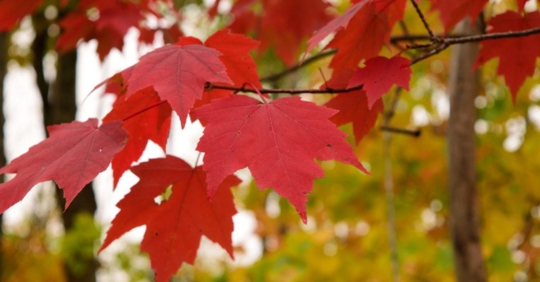
- Red Maple: adaptable, vibrant autumn foliage, and moderate shade coverage.
Privacy and Windbreaks
Trees can serve as living barriers, enhancing privacy and blocking wind:
- Arborvitae: dense evergreen foliage for year-round seclusion.
- White Pine: tall and robust, providing effective wind protection.
Attracting Wildlife
Planting certain trees invites birds, bees, and other pollinators:
- Oaks: nesting habitat for birds and insects.
- Dogwoods: flowers and berries feed wildlife and promote biodiversity.
Aesthetic and Seasonal Considerations
Flowering Trees
Brighten your yard with seasonal blooms:
- Magnolia: large, fragrant flowers, a focal point for any yard.
- Cherry Blossom: delicate pink-and-white blooms heralding spring.
Fall Foliage
For stunning autumn color:
- Sugar Maple: brilliant reds, oranges, and yellows.
- Red Oak: dramatic foliage transformations in fall.
Evergreens
For year-round structure and greenery:
- Blue Spruce: striking blue-green needles, elegant form.
- Fir: lush, fragrant foliage for continuous interest.
Maintenance and Care
Pruning and Growth Management
Regular pruning ensures health, safety, and visual appeal. Tips include:
- Remove dead or diseased branches promptly
- Shape trees to prevent interference with structures
- Manage size to maintain proportion and balance
Pest and Disease Resistance
Low-maintenance, resilient species:
- Ginkgo Biloba: rarely affected by disease
- River Birch: peels deter pests naturally
Soil and Nutrient Needs
Healthy growth depends on matching tree species to soil type:
- Acid-loving trees (e.g., Pine) prefer compatible soils
- Fertilize when necessary to supplement nutrients
- Regularly test soil to ensure long-term tree health
Sustainable Landscaping with Trees
Native and Local Species
Native species thrive naturally and support local wildlife:
- American Beech: resilient, provides shade and habitat
- Eastern Hemlock: low maintenance, supports biodiversity
Climate Change Adaptations
Trees can mitigate environmental stressors:
- Bald Cypress: absorbs CO₂, thrives in wet areas
- Sweetgum: stabilizes soil and manages stormwater
Integrating Trees with Garden Design
Consider combining trees with shrubs and flowers to create focal points, year-round interest, and cohesive landscapes. Thoughtful placement enhances both beauty and function.
To Learn More About Your Tree Options, Call Tree Masters
Choosing the right trees for your yard combines aesthetics, functionality, and environmental stewardship. Tree Masters can provide guidance, professional planting, and maintenance services to help you cultivate a garden that’s both beautiful and ecologically sound. Contact us today to start planning your ideal outdoor space.
Call Tree Masters now at (704) 802-1150 or contact us online.